


Carrying out Window and Door Checks
The Importance of Window and Door Checks for Safety in Social Housing
Ensuring the safety of residents in social housing is paramount, and one critical aspect of this is the regular inspection of windows and doors. These checks are essential to prevent accidents, enhance security, and maintain the overall integrity of the housing structure. This article explores the importance of window and door checks, key points to observe during inspections, and tips for residents to conduct their own checks.
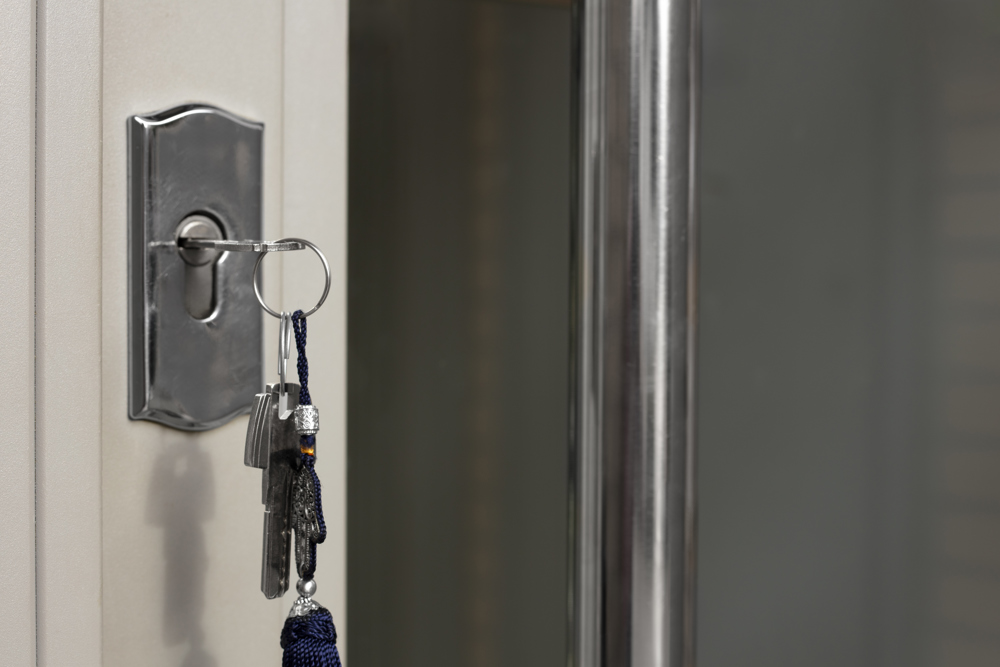
Importance of Window and Door Checks
Preventing Accidents: Windows and doors that are not properly maintained can pose significant risks. For instance, faulty windows can lead to falls, especially in high-rise buildings[1]. Ensuring that windows are equipped with restrictors can prevent them from opening wide enough for someone to fall out[2].
Enhancing Security: Secure windows and doors are crucial in preventing unauthorized access and burglaries. Regular checks ensure that locks and latches are functioning correctly, providing peace of mind to residents[3].
Maintaining Structural Integrity: Over time, windows and doors can suffer from wear and tear. Regular inspections help identify issues such as leaks, cracks, or broken seals that can compromise the building's integrity and lead to further damage[4].
Key Points to Observe During Inspections
- Check for Damage: Inspect windows and doors for any visible damage, such as cracks, broken glass, or warped frames. Damaged components should be repaired or replaced promptly[5].
- Test Locks and Latches: Ensure all locks and latches are functioning correctly. This includes checking that they close securely and do not stick[3].
- Inspect Seals and Weatherstripping: Look for signs of wear and tear on seals and weatherstripping. These components are essential for preventing drafts and water leaks[4].
- Examine Hinges and Tracks: Check that hinges are secure and tracks are free of debris. Lubricate any moving parts to ensure smooth operation[5].
- Verify Window Restrictors: Ensure window restrictors are in place and functioning. These devices limit how far a window can open, reducing the risk of falls[2].

Tips for Residents to Conduct Their Own Checks
Regular Visual Inspections: Residents should regularly inspect their windows and doors for any visible signs of damage or wear. This can be done monthly to catch issues early[5].
Test Locks and Latches: Periodically test all locks and latches to ensure they are working properly. If any are difficult to operate, they may need lubrication or replacement[3].
Check for Drafts: On a windy day, check for drafts around windows and doors. This can indicate worn seals or weatherstripping that needs attention[4].
Keep Tracks Clean: Ensure that window and door tracks are free of dirt and debris. This helps in maintaining smooth operation and prevents damage[5].
Report Issues Promptly: If residents notice any problems during their checks, they should report them to their housing provider immediately. Prompt action can prevent minor issues from becoming major problems[1].
Regular window and door checks are a simple yet effective way to ensure the safety and security of social housing. By following these guidelines, both housing providers and residents can contribute to a safer living environment.
Common Issues Found During Window and Door Checks
Windows:
- Fogged Windows: This occurs when the insulating gas between double-pane windows leaks, causing condensation and reducing energy efficiency[6].
- Cracked Panes: Cracked glass can lead to safety hazards and further damage if not addressed promptly[6].
- Damaged Trim: Missing or damaged trim can allow water to enter, leading to wood rot and structural issues[6].
- Sticking Windows: Windows that are difficult to open or close may indicate warped frames or debris in the tracks[7].
- Lost Insulating Gas: This can cause clouding and reduce the thermal insulation of the window[6].
Doors:
- Faulty Locks and Latches: Locks that do not function properly can compromise security[7].
- Warped Frames: Warped door frames can make it difficult to close doors securely and may indicate underlying structural issues[7].
- Damaged Weatherstripping: Worn or damaged weatherstripping can lead to drafts and water leaks[7].
- Sticking Doors: Doors that stick or are hard to open may need lubrication or have issues with the hinges[7].
- Peeling Finishes: Peeling paint or finishes can indicate water damage and the need for resealing[7].
Recommended Frequency for Checks
Professional Inspections: It is recommended that windows and doors in social housing be professionally inspected at least once a year[4]. This ensures that any significant issues are identified and addressed promptly.
Resident Checks: Residents can perform their own checks more frequently, such as monthly or quarterly[8]. Regular visual inspections can help catch minor issues before they become major problems.
Automatic Doors: For automatic doors, daily safety checks are recommended to ensure they are operating correctly[8]. Professional servicing should be done at least once a year, or more frequently depending on usage[8].
Regular inspections and maintenance are crucial for ensuring the safety and security of social housing. By staying vigilant and addressing issues promptly, both housing providers and residents can contribute to a safer living environment.
Best Practices for Professional Window and Door Inspections
1. Review Inspection Checklists: Obtain and review the inspection checklist from local authorities or regulatory bodies. This ensures that all necessary standards and requirements are met[9].
2. Pre-Inspection Preparation: Ensure all documentation, such as installation manuals and compliance certificates, is readily available. This helps in verifying that the installation adheres to local building codes and regulations[9].
3. Thorough Visual Inspection: Inspect windows and doors for any visible damage, such as cracks, broken glass, or warped frames. This includes checking the condition of seals and weatherstripping[10].
4. Functional Testing: Test the operation of windows and doors, including opening, closing, and locking mechanisms. Ensure that all components function smoothly and securely[10].
5. Check for Compliance: Verify that the installation meets energy efficiency standards, such as ENERGY STAR ratings, and safety standards, including the use of tempered glass where required[9].
6. Inspect Structural Integrity: Ensure that windows and doors are properly secured, level, and aligned. Check for any signs of water infiltration or structural weaknesses[9].
7. Documentation and Reporting: Document all findings and provide a detailed report. This should include any issues identified, recommended repairs, and a timeline for addressing them[10].
Understanding Fogged Windows
Causes of Fogged Windows: Fogged windows occur when condensation forms between the panes of double- or triple-pane insulated glass units (IGUs). This is typically due to the failure of the seal that keeps the insulating gas (such as argon or krypton) between the panes[11].
Why It Happens:
- Seal Failure: Over time, the seals around the panes can deteriorate due to age, extreme weather conditions, or manufacturing defects. This allows moisture to seep in and cause fogging[11].
- Temperature Differences: When warm, moist air inside the home comes into contact with cooler surfaces, such as window glass, condensation can form[11].
- High Humidity: Homes with high humidity levels, often from cooking, showering, or inadequate ventilation, are more prone to window fogging[11].
Solutions for Fogged Windows:
- Professional Defogging: This involves drilling small holes in the window to allow moisture to escape, then sealing the holes to prevent further condensation[11].
- Replacing the IGU: In cases of severe seal failure, replacing the entire insulated glass unit may be necessary[11].
- Using Dehumidifiers: Reducing indoor humidity levels can help prevent condensation on windows[11].
Prevention Tips:
- Maintain Window Seals: Regularly inspect and maintain window seals to prevent deterioration[11].
- Control Indoor Humidity: Use dehumidifiers and ensure proper ventilation in areas prone to high humidity, such as bathrooms and kitchens[11].
- Proper Installation: Ensure windows are installed correctly to avoid gaps and poor sealing[11].
Regular inspections and maintenance are key to preventing and addressing issues with windows and doors, ensuring the safety and comfort of residents in social housing.
References
[1] How social landlords are responding to high-rise window danger
[2] The risk of vulnerable individuals falling from windows
[3] 20 Home Safety Checks Every Homeowner Should Perform
[5] Windows and Doors Inspection Checklist
[6] What are common window inspection problems?
[7] 13 Most Common Home Inspection Findings
[8] How Often Should Automatic Doors Be Serviced?
[9] How to prepare for inspections in the window industry?
[10] A Comprehensive Guide to Conducting Inspections of Aluminum Window