


Rethinking Energy for Net Zero
Rethinking Energy for Net Zero: Why Affordability Must Come First
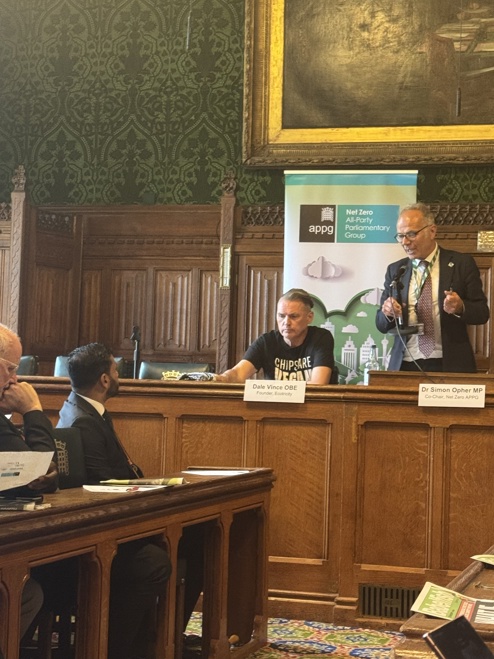
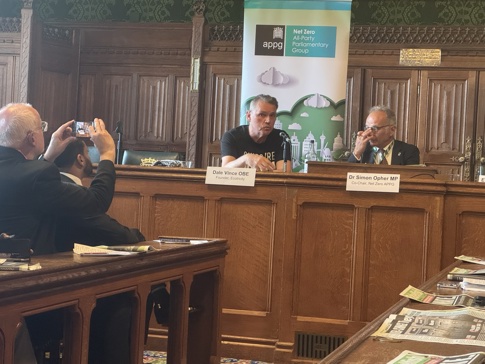
On Monday 8th June, Sureserve attended the latest APPG debate at the House of Commons, where industry leaders gathered to explore one of the most pressing challenges facing the UK today: what Net Zero really means for social housing residents and the wider energy sector.
While the ambition is clear, the path forward raises important questions, particularly around how energy is priced, delivered, and ultimately accessed by those who need it most.
Breaking the Link Between Gas and Electricity Prices
A central theme of the debate focused on the relationship between gas and electricity pricing. Currently, electricity prices are largely driven by the cost of gas, an approach that no longer reflects how energy is generated or consumed.
Decoupling these pricing structures could deliver immediate benefits. If electricity were priced independently, households could see a significant reduction in costs. This issue becomes even more pressing when considering electricity’s role in modern life.
Electricity: An Essential, Not a Luxury
In the 21st century, electricity is not optional, it is essential. From heating and lighting to powering everyday appliances, households simply cannot function without it.
So why is it taxed more heavily than other essentials, such as food?
This inconsistency is placing an unfair burden on residents, particularly in social housing, where affordability is already a critical concern. The current system means many are paying inflated prices for basic access to energy.
The Case for Renewable Energy
With global events continuing to drive up fuel costs, the case for renewable energy has never been stronger.
Expanding the use of wind and solar power, alongside lower-carbon solutions such as nuclear, presents a clear opportunity to reduce energy costs at scale. Beyond cost savings, investment in green energy also has the potential to stimulate economic growth, supporting job creation across the UK.
Renewables are no longer just an environmental imperative, they are an economic one.
Why This Matters for Social Housing
For the social housing sector, the conversation goes beyond infrastructure.
Significant progress is being made to decarbonise homes and improve energy efficiency. However, these efforts risk falling short if residents cannot afford to use the systems being installed.
A heat pump, for example, is far more efficient than traditional heating but if residents are worried about the cost of running it, its benefits are limited. In contrast, pairing low-carbon technologies with solar panels and battery storage creates a more sustainable, affordable solution, enabling residents to heat their homes without fear of rising costs.
Energy efficiency must go hand-in-hand with energy affordability.
The Potential of Localised Energy Solutions
One potential solution discussed was the concept of localised energy generation.
By enabling local authorities to develop and manage their own renewable energy schemes, particularly wind and solar, there is an opportunity to set pricing at a local level. While this wouldn’t eliminate the need for gas entirely, it could transform how electricity is accessed and consumed.
Localised systems could offer greater flexibility, resilience, and affordability for communities.
What Needs to Change
Turning this vision into reality will require significant change.
Greater alignment between government departments like DEFRA and DESNZ will be essential to streamline policy and delivery. While there are challenges ahead, the principle is clear: the current energy model is not fully aligned with the goals of Net Zero or the needs of consumers.
A more flexible, responsive system is needed, one that prioritises both efficiency and affordability.
Looking Ahead
With two more APPG debates scheduled for later in 2026, the conversation is far from over.
What remains clear is that the transition to Net Zero is not just a technical challenge, it is a social and economic one. To succeed, we must ensure that the solutions being developed are not only sustainable, but also accessible and affordable for the people they are designed to support.
At Sureserve, we look forward to continuing this conversation and helping to shape a more inclusive, effective energy future.
Post
-

Catch Up: Key Insights from Our First Client Insight Session
24 Sept 2026
-

Sureserve Foundation Three Peaks Challenge Raises £18,000 for Morgan House
16 Sept 2026
-

Sureserve Publishes Its First ESG Report
16 Apr 2026
-

Sureserve Compliance Fire Joins the Honeywell Gent Approved Network
09 Apr 2026
-

To Reposition Net Zero as the People’s Hero: Restoring Public Support for Green Energy
23 Mar 2026